Meta’s Record $200M AI Hiring Sets New Era
 Reading Time: 4 minutes
Meta has just written a nine-figure cheque to pry Ruoming Pang out of Apple, and in doing so, it may have rewritten the rules of Silicon Valley’s talent market. The social-media giant paid more than $200 million for a single engineer, then moved at lightning speed to scoop up his two lieutenants. Regulators are watching, Apple is reeling, and the world’s shortage of AI expertise is starting to look like a full-blown economic fault line.
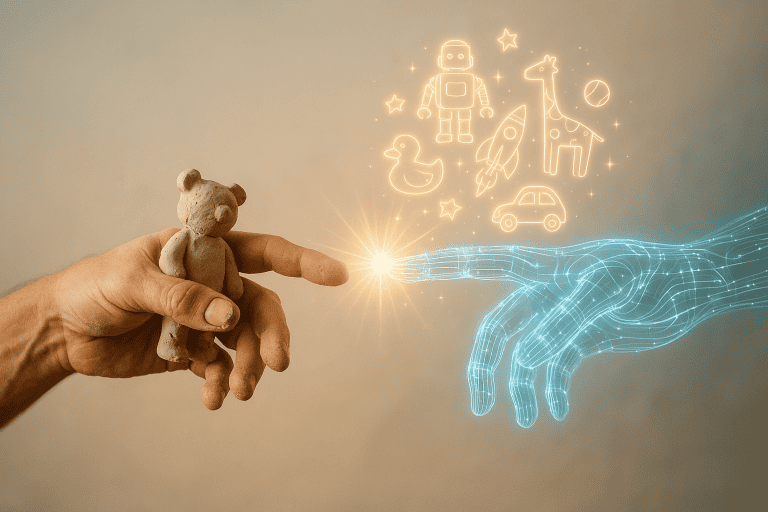
Much more than a splashy headline, the deal signals the arrival of an era in which artificial-intelligence talent is valued like elite athletes—and fought over just as aggressively.
Meta has also aggressively been poaching employees from OpenAI.
Meta’s Record Raid
Meta has executed the most systematic and expensive talent acquisition in tech history, luring Pang—Apple’s head of Foundation Models—into its new AI nerve centre with a pay package spread across several years. Insiders say the offer surpasses every Apple salary except Tim Cook’s.
The raid did not end there. Within ten days, Meta hired Pang’s deputies Mark Lee and Tom Gunter, extending the company’s reach deep into Apple’s inner circle. Apple insiders describe the exits as continuing turmoil at Apple’s Foundation Models team.
Chain Reaction Inside Apple
The shockwaves go well beyond three resignations. Senior executives in Cupertino are now considering ditching in-house models for OpenAI or Anthropic, according to people briefed on the talks. Earlier this month, Apple narrowly avoided losing its entire MLX team when engineers threatened a mass walkout over strategy drift.
Morale has sputtered; staff report a “crisis of trust” as retention bonuses fail to match Meta’s eye-watering offers. The talent bleed has become the clearest sign yet that Apple’s famed culture of secrecy may be colliding with an industry whose top minds now expect outsized visibility—and pay.
Building Meta Superintelligence Labs
Mark Zuckerberg responded to the moment by consolidating every AI project into a single unit: Meta Superintelligence Labs, led by Alexandr Wang, the 28-year-old founder of Scale AI. The move follows a $14.3 billion investment in 49% of Scale AI, granting Meta privileged access to one of the world’s largest data labeling engines.
Inside MSL’s glass-walled offices, the ranks swell with a cadre of poached researchers on $100-$450 million deals from OpenAI, Google DeepMind, and Anthropic. Some rivals are already severing ties with Scale AI, as they worry that their data pipelines now flow directly to a competitor.
Silicon Valley Salary Explosion
The Pang saga is only the most dramatic example of a market gone white-hot. AI engineers earn 20-30% more than their peers, forcing every tech titan to rip up its pay scales. In response, Google raises the base pay for senior software engineers to $340,000.
Meta, unfazed, dangles $100 million signing bonuses at Meta to sweeten its pitch. Recruiters whisper that some senior researchers now refuse to take calls unless the opening bid includes at least eight figures in stock.
World Runs Short on AI Brains
The scramble comes against a backdrop of a startling deficit. In 2025, 74% of employers report talent shortages. The pipeline cannot keep up: AI postings are up 61% creating a 50% gap in 2024 alone. In the United States, the country could lack 700,000 AI workers by 2027.
Europe fares no better; Germany may leave 70% of AI jobs empty. Employers then pay the price: delayed AI work costs $2.8 million on average each year, and 44% of executives cite an expertise shortfall as the primary obstacle to rolling out new systems.
Regulators Smell Blood
Washington has noticed. Warren and Wyden probe reverse acqui-hire deals, warning that multimillion-dollar employment pacts could become end runs around antitrust law. At the same time, the DOJ and FTC are investigating Meta’s talent raid for potential implications of monopoly. If agencies decide that unique skill sets constitute an essential facility, talent wars could soon face legal roadblocks.
What Comes Next
For now, Meta’s willingness to spend like a sovereign wealth fund has reframed the contest for superintelligence. Apple must decide whether it can out-innovate its rival or buy time with outside models. Google, Microsoft, and a battalion of start-ups will continue to escalate bids until either the market clears or lawmakers intervene.
One thing is certain: in the race to invent the next generation of thinking machines, the most valuable asset remains the human mind.
Key Takeaways:
- Meta’s $200 million payment to Ruoming Pang sets a new record for individual tech compensation.
- Apple’s AI division is losing top staff and debating whether to scrap its models for outside help.
- Meta Superintelligence Labs, led by Scale AI founder Alexandr Wang, rolls up projects and people under one roof.
- Silicon Valley salaries for AI experts now dwarf traditional software pay, with signing bonuses hitting $100 million.
- Global shortages threaten to leave hundreds of thousands of AI roles unfilled, raising costs and slowing innovation.
- US lawmakers and regulators have begun investigating whether talent raids constitute anticompetitive conduct.