After a Notorious Flop, Mattel Is Giving Barbie a ChatGPT Upgrade
 Reading Time: 4 minutes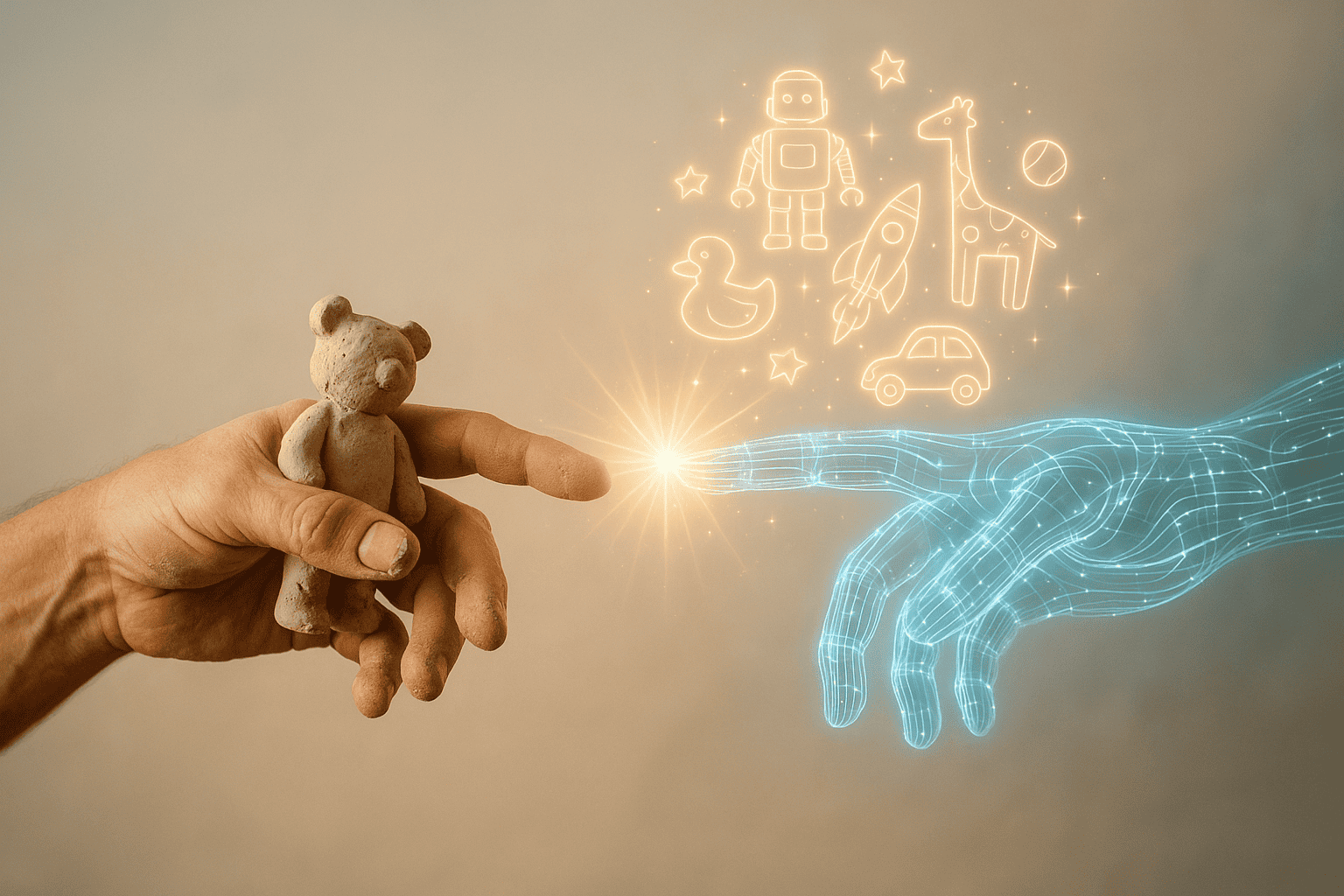
Facing slowing toy demand and economic headwinds, Mattel is turning to generative AI to reinvent its business. The company announced a strategic partnership with OpenAI on June 12, 2025, aiming to infuse iconic brands like Barbie and Hot Wheels with artificial intelligence and accelerate internal innovation.
This move signals a deliberate push to evolve beyond a traditional toy manufacturer into an intellectual property-driven entertainment company. The collaboration will see Mattel develop a new generation of AI-powered toys and games while also deploying OpenAI’s enterprise tools to accelerate its own design and creative processes.
The alliance comes as the El Segundo-based company navigates a challenging market. Mattel recently withdrew its full-year 2025 financial guidance, citing a volatile macroeconomic environment and unpredictable consumer spending.
A Strategic Bet on AI
This isn’t just about making toys talk. Mattel views the OpenAI partnership as a core part of its broader strategy to monetize its vast library of intellectual property following the massive success of the 2023 Barbie movie. The company has more than a dozen films in development, including projects based on Masters of the Universe, Matchbox, and Barney.
Josh Silverman, Mattel’s Chief Franchise Officer, said the goal is to create new ways for fans to engage with their brands. “AI has the power to expand on that mission and broaden the reach of our brands in new and exciting ways,” Silverman stated. “Our work with OpenAI will enable us to leverage new technologies to solidify our leadership in innovation and reimagine new forms of play.”
The partnership is extensive, potentially touching Mattel’s entire portfolio, from Fisher-Price and American Girl to Uno and Thomas & Friends. For OpenAI, the alliance marks its first partnership with a major toymaker, providing a unique platform to deploy its technology in the family-focused consumer sector.
Avoiding a “Hello Barbie” Repeat
Mattel is entering this new AI venture with caution, shaped by the hard lessons from its past. The company’s 2015 internet-connected doll, Hello Barbie, was discontinued in 2017 after it became plagued by significant privacy and security flaws.
Security researchers discovered that hackers could potentially access recordings of children’s conversations and even take over the doll’s microphone to speak directly to a child. The doll also collected personal details from children, raising ethical questions and attracting widespread criticism.
To avoid repeating these mistakes, Mattel and OpenAI have stressed that safety, privacy, and security will be foundational to their new products. The first AI-enabled products, expected to be released in late 2025, will be targeted at consumers aged 13 and older. This strategy enables the company to initially comply with the U.S. Children’s Online Privacy Protection Act (COPPA), which governs the collection of data from children under 13.
Innovation Amidst Uncertainty
The push into AI comes at a critical time for Mattel. The company is navigating “softened toy demand” and economic pressures that affect consumer spending on non-essential items.
In its first quarter of 2025, Mattel reported a modest 2% rise in net sales to $827 million. While its adjusted loss per share of $0.03 beat analyst expectations, the company still reported an operating loss of $53 million. This financial backdrop highlights the urgent need for new growth drivers, positioning the OpenAI partnership as a key part of the solution.
This AI initiative could set a new standard for the entire toy industry. A successful AI-infused product from a market leader like Mattel could compel competitors like Hasbro and Lego to accelerate their own AI strategies, potentially sparking a technology-driven transformation of the sector.
High Stakes, High Reward
The road ahead is not without risk. Developing AI toys that are safe, engaging, and reliable is a complex technical challenge. Any failure to protect user privacy could be devastating to Mattel’s brand, which is built on what it calls “80 years of earned trust from parents and families”.
There are also ethical questions about the impact of AI companions on child development and the potential for perpetuating biases through AI models. Furthermore, the higher cost of these advanced toys could limit consumer adoption, especially in a tight economy.
Despite the challenges, the potential upside is immense. Success could secure Mattel’s position as an industry pioneer, foster deeper connections with consumers, and unlock new revenue streams, such as subscription services for digital content. Can Mattel and OpenAI redefine play for the AI age? The world will be watching when the first products arrive later this year.
Key Takeaways:
- Mattel and OpenAI announced a strategic partnership on June 12, 2025, to develop AI-powered toys and experiences for brands such as Barbie and Hot Wheels.
- The move is driven by the need to combat slowing toy demand and is part of Mattel’s broader strategy to become an IP-driven entertainment company.
- Learning from the privacy failures of its 2015 “Hello Barbie” doll, Mattel is prioritizing safety and initially targeting products for consumers aged 13 and older.
- The collaboration also includes adopting ChatGPT Enterprise internally to accelerate innovation, design, and productivity.
- The first AI-enabled products from the partnership are expected to be revealed in late 2025.
- The venture is a high-risk, high-reward initiative that could set new standards for the entire toy industry.